
I Bridge the Gap Between AI Strategy and Execution
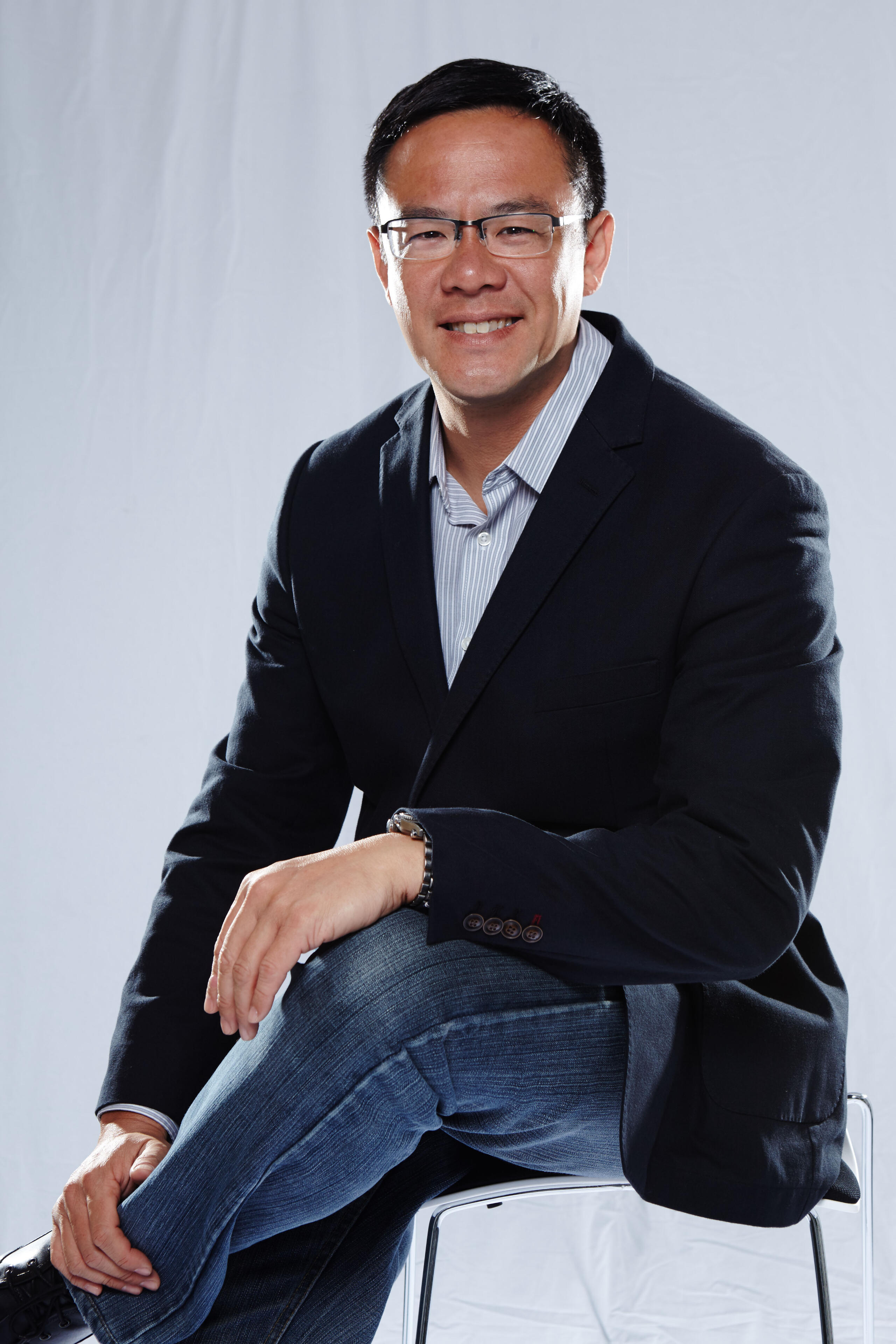
Hi, I’m Brian J. Hu.My work is helping real teams use AI in a way that is practical, adoptable, and defensible. I am a change management and AI governance lead with 15 plus years in high stakes environments, from aerospace to finance.I am based in Toronto.

The Cognitive Operations Gap -
Bridging the Divide Between
AI Capability and
Organizational Readiness
The Core Problem:
"Cognitive Operations Gap"
Most AI pilots in regulated industries fall short not because the technology is incapable, but because organization is not yet set up to run them safely at scale.That is the Cognitive Operations Gap: the space between what probabilistic models can do and what existing staff capability, governance processes, and regulatory obligations can reliably support.
Read My Research

2026 Canadian AI
Sovereignty Report
2026 The Cognitive
Operations Gap
White Paper
Areas of Institutional Impact
Currently, I am focused on helping Canadian enterprises navigate the complexities of a post-C-27 landscape, including:
Interoperable Governance: Aligning internal policies with Quebec’s Law 25, Ontario’s transparency mandates, and global standards like the EU AI Act.
Operational Resilience: Transforming AI strategy into a clear, manageable roadmap for risk and compliance departments.
Workforce Readiness: Bridging the gap between C-Suite objectives and the practical realities of frontline staff adoption.
My Methodology: The Glass Box Standard
Transparent workflows beat black box automation every time.In regulated environments, an AI output is never the finish line. The work must be explainable, reviewable, and owned by the institution.If we cannot show how a decision was produced, how it was checked, and who is accountable, it should not be deployed.I implement this standard through two core frameworks:
1. Risk First Architecture
I advocate for designing for auditability from day one. This includes clear audit trails, secure build practices, and human-in-the-loop safeguards that teams can actually run in day to day operations without slowing the business down.
2. Cognitive Integration Model
I developed this 5-phase adoption framework that focuses on the real blockers: people, process, and accountability. This model aligns workforce behavior with technical reality, ensuring that the organization is ready to manage AI as a permanent asset.
About Me
Based in Toronto, I am an operational leader with over 15 years of experience modernizing critical systems where failure is not an option.My career has taken me through the high-stakes environments of aviation, heavy industry, and banking. In these sectors, I learned that technology is only as good as the people and processes supporting it.Today, I apply that rigor to Artificial Intelligence. I view AI through the lens of Institutional Stewardship. My goal is to move organizations beyond "Shadow AI" and temporary experiments to build workflows that are defensible, compliant, and transparent.While I stay at the cutting edge of policy as an Adjunct Professor at George Brown Polytechnic and Centennial College, my primary focus is practical execution. I am looking to lead the internal teams that turn AI strategy into operational reality.
Contact Me
After years of developing these frameworks and advising across sectors, I am focused on the long-term stewardship of AI transformation. I believe the most meaningful impact happens from the inside.I am looking to bring my experience in high-stakes operations and AI governance to a mission-driven organization where I can lead the multi-year journey of safe, scalable integration.Let's build a defensible future for AI in Canada.
Bridging the gap between what AI can do and what your organization is actually ready for.
© Brian J. Hu. All rights reserved.